
7 Signs You May Need a Root Canal (Before the Pain Gets Worse)
7 Signs You May Need a Root Canal (Before the Pain Gets Worse)
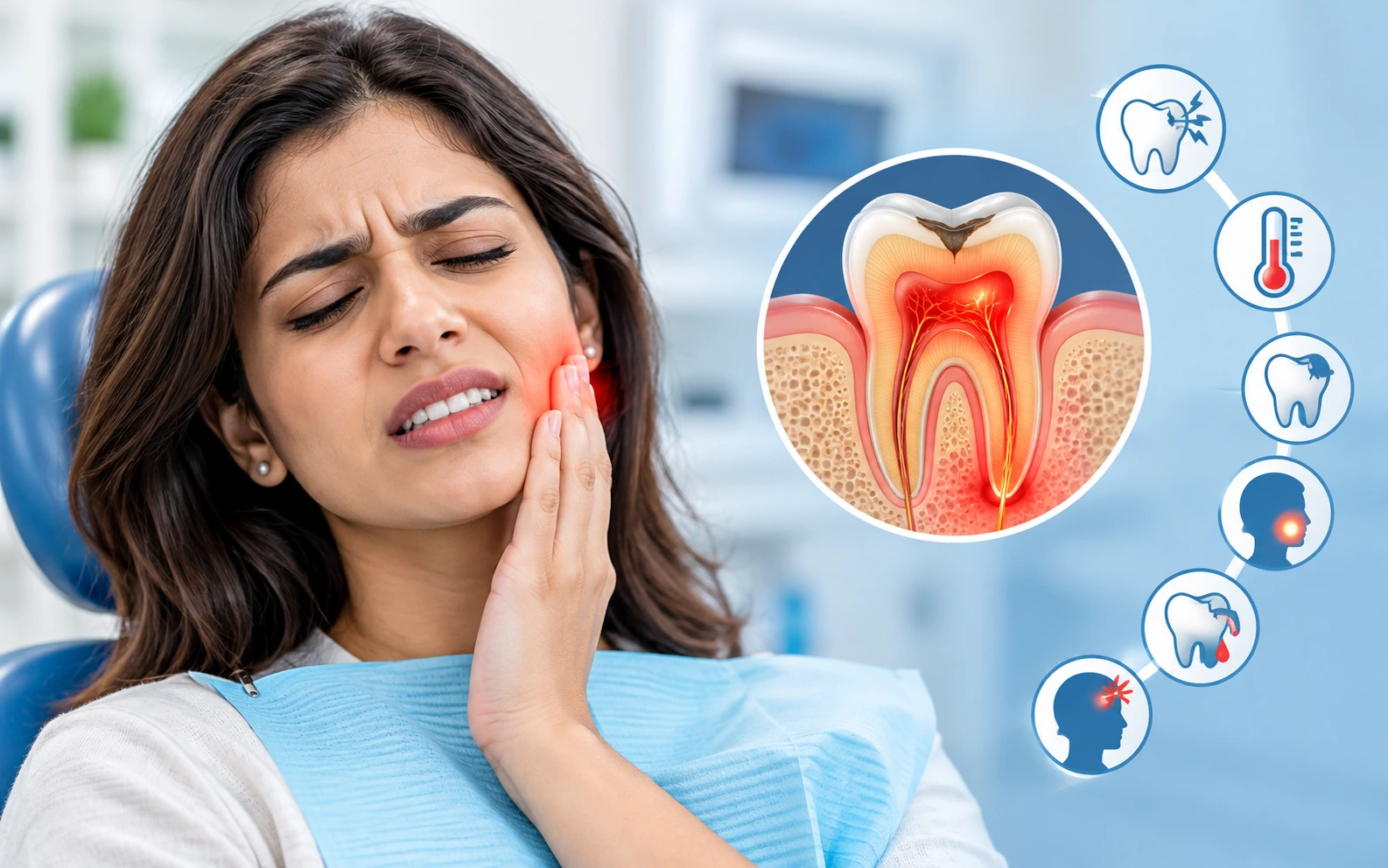
Tooth pain can be easy to dismiss, especially when it comes and goes or feels manageable with over-the-counter pain relief. However, persistent discomfort may sometimes indicate a problem deep inside the tooth. When the pulp, which contains nerves and blood vessels, becomes inflamed or infected, root canal treatment may be necessary to preserve the affected tooth.
Although not every toothache requires a root canal, recognizing the warning signs can help you seek treatment before the problem becomes more complicated.
At Birch Family Dentistry, we evaluate tooth pain, sensitivity, and other symptoms to identify their underlying causes and recommend appropriate treatment based on your oral health needs.
What Is a Root Canal?
A root canal is a dental procedure used to treat a tooth when its inner pulp becomes inflamed or infected. This can happen because of deep tooth decay, cracks, repeated dental procedures, or an injury.
During treatment, the affected pulp is removed, the inside of the tooth is cleaned and disinfected, and the space is sealed to help prevent further infection. A filling or dental crown may then be recommended to restore the tooth’s strength and function.
Root canal treatment can help preserve a natural tooth that might otherwise need extraction. If you are experiencing ongoing tooth discomfort, a dental examination can help determine whether root canal treatment or another procedure may be appropriate.
7 Signs You May Need a Root Canal
Certain symptoms may indicate that the pulp inside your tooth is damaged or infected. While these signs do not confirm that you need a root canal, they should not be ignored, particularly when they persist or worsen.
1. Persistent or Throbbing Tooth Pain
One of the most common warning signs is tooth pain that continues for an extended period or occurs without an obvious trigger. The discomfort may feel dull, sharp, or throbbing and may become more noticeable when you lie down or try to sleep.
Pain can develop when inflammation affects the pulp inside the tooth. However, cavities, cracks, gum problems, and other conditions can also cause toothache.
If your tooth pain keeps returning or begins interfering with your daily activities, schedule a dental evaluation rather than relying on pain relief alone.
2. Lingering Sensitivity to Hot and Cold
It is normal to experience brief sensitivity when eating ice cream or drinking a hot beverage. However, sensitivity that continues after the hot or cold substance has been removed may indicate a more significant problem.
When the pulp becomes inflamed, temperature changes can trigger discomfort that lasts longer than expected.
Pay attention if you notice:
- Pain that lingers after drinking something cold
- Discomfort after consuming hot food or beverages
- Increasing sensitivity in one particular tooth
- Pain that occurs even after the temperature trigger is gone
Lingering sensitivity does not automatically mean you need a root canal, but it is a reason to have the tooth examined.
3. Pain When Biting or Chewing
If a particular tooth hurts when you bite down, chew food, or release pressure, the cause may involve damage to the tooth or inflammation around its root.
Possible causes include deep decay, a cracked tooth, an infection, or problems with an existing restoration. In some cases, pressure can aggravate tissues surrounding a tooth with an affected pulp.
Avoid repeatedly testing the painful tooth by biting down on hard foods. A dentist can examine the tooth and determine whether the discomfort is related to the pulp, surrounding tissues, or another dental problem.
4. Swollen or Tender Gums Near a Tooth
Swelling around a particular tooth may indicate inflammation or infection in the surrounding tissues. You might notice redness, tenderness, or a small pimple-like bump on the gum.
In some cases, this bump may indicate a draining dental abscess associated with an infected tooth.
If you notice swelling near a painful tooth, arrange a prompt dental assessment. Facial swelling, fever, or rapidly worsening symptoms require urgent evaluation. If swelling makes breathing or swallowing difficult, seek emergency medical attention immediately.
5. A Darkened or Discolored Tooth
A tooth that gradually becomes darker or develops a grayish appearance may have experienced damage to its internal tissues. This can sometimes occur following dental trauma or changes affecting the pulp.
However, discoloration can also result from staining, aging, or other dental conditions. A change in color alone does not confirm that a root canal is needed.
If one tooth looks noticeably different from the surrounding teeth, especially after an injury or alongside pain, arrange an examination. Your dentist can assess the tooth and determine whether the pulp may be affected.
6. A Chipped or Cracked Tooth
A crack or chip can expose the inner layers of a tooth to bacteria, particularly when the damage extends deeply. If bacteria reach the pulp, inflammation or infection may develop.
You may notice pain when chewing, sensitivity to temperature changes, or discomfort that comes and goes. Some cracks are difficult to see without a professional examination.
If you have damaged a tooth, avoid chewing hard foods on that side and arrange a dental appointment. Depending on the extent of the damage, treatment may involve a filling, a dental crown, root canal treatment, or another appropriate procedure. You can read more about how chipped or cracked teeth are treated.
7. A Dental Abscess or Pus Near the Tooth
A dental abscess is a collection of pus caused by a bacterial infection. It may develop when bacteria enter the inner tissues of a tooth through deep decay, a crack, or another opening.
Possible symptoms include:
- Swelling around the tooth or gums
- Persistent or severe tooth pain
- A bad taste or drainage in the mouth
- Tenderness when biting
- Fever or feeling generally unwell
An abscess associated with an infected tooth may require root canal treatment or extraction, depending on whether the tooth can be restored. Antibiotics may be appropriate in certain circumstances, but they do not always eliminate the source of a dental infection.
A suspected dental abscess requires prompt dental attention. Do not wait for the swelling or pain to disappear on its own.
Can You Need a Root Canal Without Severe Pain?
Yes. Not every tooth requiring root canal treatment causes intense pain. In some cases, the pulp may become damaged or die without producing obvious symptoms.
You might notice mild sensitivity, a change in tooth color, or swelling around the gum. In other cases, the problem may only become apparent during a dental examination or when dental imaging reveals changes around the root.
This is one reason regular dental examinations are important, even when your teeth feel normal. A dentist can assess your teeth for signs of decay, damage, or infection that may not be visible or noticeable at home.
If you have not had a dental check-up recently, consider scheduling a routine dental examination to assess your oral health.
What Happens If You Delay Root Canal Treatment?
When the pulp inside a tooth is infected or severely damaged, delaying appropriate treatment may allow the problem to progress. The infection can extend into the tissues surrounding the root and potentially lead to an abscess.
As the condition worsens, you may experience increased pain, swelling, or damage to the supporting structures. In some cases, the tooth may become more difficult to restore and could eventually require extraction.
However, not every painful tooth needs a root canal, and the appropriate treatment depends on the underlying cause.
Seeking an evaluation early allows your dentist to identify the problem and discuss suitable treatment options before further complications develop.
What Happens During a Root Canal Procedure?
The steps involved in root canal treatment depend on the tooth’s condition, but the procedure generally includes the following stages. If you are wondering about timing, here is how long a root canal takes.
1. Examination and diagnosis
Your dentist assesses your symptoms, examines the affected tooth, and may take dental X-rays to evaluate the root and surrounding structures.
2. Numbing the tooth
Local anesthesia is used to help keep you comfortable during the procedure.
3. Removing the affected pulp
The dentist creates an opening in the tooth and removes the inflamed or infected pulp tissue.
4. Cleaning and sealing the tooth
The inside of the tooth is cleaned, disinfected, and sealed to help prevent bacteria from entering again.
5. Restoring the tooth
A filling or dental crown may be recommended to restore the tooth’s structure and function. The type of restoration depends on the amount of remaining healthy tooth structure and the tooth’s location.
If you are concerned about tooth pain or think you may need root canal treatment, Birch Family Dentistry can evaluate the affected tooth and explain the treatment options appropriate for your situation.
How Can You Reduce Your Risk of Needing a Root Canal?
Root canal treatment is sometimes unavoidable, particularly after significant dental trauma. However, maintaining good oral hygiene and addressing dental problems early can help reduce the risk of deep decay and infection.
You can support your oral health by:
- Brushing twice daily with fluoride toothpaste
- Cleaning between your teeth every day
- Limiting frequent consumption of sugary foods and drinks
- Attending regular dental examinations and professional cleanings
- Seeking treatment for cavities before they progress
- Having cracked or damaged teeth assessed promptly
- Wearing a protective mouthguard during contact sports when appropriate
Regular preventive care helps your dentist identify potential concerns before they become more extensive.
When Should You Contact Birch Family Dentistry?
Persistent tooth pain, lingering temperature sensitivity, pain when chewing, swelling, or a darkened tooth can indicate a dental problem that needs attention. Although these symptoms do not always mean you need a root canal, an examination can help determine their cause.
At Birch Family Dentistry, we evaluate dental pain and damaged teeth to identify the underlying problem and recommend appropriate treatment. Depending on the findings, treatment may involve a filling, a crown, root canal treatment, or another procedure.
If you are experiencing ongoing tooth discomfort or have noticed changes in a tooth, contact Birch Family Dentistry in Bedford, NH, to arrange an evaluation. Seeking care promptly can help you understand your treatment options and protect your oral health.
If you experience facial swelling with difficulty breathing or swallowing, seek emergency medical attention immediately.
Frequently Asked Questions
How do I know if I need a root canal or just a filling?
The difference depends on how deeply the tooth has been affected. A filling may be sufficient when decay or damage is limited to the tooth’s outer structures. Root canal treatment may be necessary when the pulp inside the tooth is irreversibly inflamed or infected. Symptoms such as lingering sensitivity, persistent pain, swelling, or pain when biting can indicate a more significant problem, but they do not confirm the diagnosis. At Birch Family Dentistry, we examine the affected tooth and use dental imaging when appropriate to determine which treatment may be suitable.
Can a tooth need a root canal if it does not hurt?
Yes. Some teeth with damaged or infected pulp cause little or no noticeable pain. The problem may become apparent through changes in tooth color, swelling near the gum, or findings during a dental examination. In some cases, dental X-rays may reveal changes around the root. The absence of pain does not always mean the tooth is healthy. Regular examinations can help identify certain dental problems before noticeable symptoms develop. If your dentist identifies signs of pulp damage, further assessment may be necessary to determine whether root canal treatment is appropriate.
Is root canal treatment painful?
Root canal treatment is generally performed using local anesthesia to minimize discomfort during the procedure. Many patients experience relief from the pain caused by the underlying dental problem after treatment. Some tenderness or sensitivity may occur for a few days afterward, particularly if the tissues around the tooth were inflamed. Your dentist can explain what to expect during recovery and provide appropriate aftercare guidance. If pain becomes severe or continues to worsen after treatment, contact your dental office for an assessment.
How long can I wait if I think I need a root canal?
You should arrange a dental evaluation as soon as possible if you have persistent tooth pain, lingering sensitivity, or other symptoms suggesting pulp damage. Waiting may allow an infection to progress and could increase the risk of complications. Swelling, fever, pus, or rapidly worsening pain requires urgent dental assessment. If you experience difficulty breathing or swallowing due to swelling, seek emergency medical attention immediately. A dentist can assess the condition of your tooth and determine how quickly treatment is needed.
Will I need a crown after a root canal?
A crown may be recommended after root canal treatment, particularly for molars and other teeth that have lost substantial tooth structure. These teeth experience considerable pressure during chewing, and a crown can help protect the remaining structure from fracture. However, not every root canal-treated tooth requires the same restoration. The decision depends on the tooth’s location, the amount of remaining healthy structure, and the extent of existing damage. At Birch Family Dentistry, we evaluate the treated tooth and recommend an appropriate restoration based on its condition and functional needs.
Have Questions About Your Smile?
Our Bedford team is happy to talk through your options. Reach out to schedule a visit or ask us anything.
Keep Reading

How Long Does a Root Canal Actually Take? Here Is the Real Answer
Few words in dentistry carry as much unearned fear as “root canal.” Say it out loud in a waiting room and watch a few shoulders tense up. Yet ask…

Dental Crown vs. Filling: Which Treatment Is Right?
Finding out that you need restorative dental treatment often leads to one important question: Do I need a filling or a dental crown? Both treatments…

How to Fix Chipped or Cracked Teeth: Treatment Options Explained?
A chipped or cracked tooth can happen unexpectedly. You may bite down on something hard, experience an injury during sport, or simply notice that…
How Care Begins
Every treatment is different. We start by understanding what matters to you, then help you decide on the right next step.
Explore Your Options
Browse our services and note any questions or concerns you would like to discuss.
Speak with Our Team
Tell us about your goals, symptoms, or timing so we can help arrange an appropriate visit.
Plan Your Care
At your appointment, we review your needs and explain the recommended options before treatment begins.
Words from Our Patients
Real feedback from real Birch Family Dentistry patients.
Read All Reviews →
"I was a little nervous going in, but Dr. Patel and the team did an amazing job calming my nerves and making me feel comfortable. Dr. Patel took the time to clearly explain exactly what was going on and what needed to be done, which I really appreciated."
"This has been one of the best experiences I have ever had at the dentist. I had a chipped front tooth and was so nervous about going to my appointment for a crown. Dr. Mehta was so caring and explained everything before even starting."
"I can't say enough about how wonderful Dr Patel and Ruxi were with me during a recent visit. They were both aware that I was extremely anxious and they went out of their way to make me feel very comfortable during the entire process."
"Dr Patel is awesome, I broke a crown while travelling and they fit me in the day I returned home with a quick appointment and no upselling of saying we needed to 're-do' the whole crown."
"Highly recommend this office. Everyone is very friendly, the doctors are professional, kind and knowledgeable."
"Have been going to this dentist for 22 years and they're reliable and don't try to pull fast ones on you."
"Dr Patel and staff are wonderful! Recently got me back on a treatment plan for my dental health as it had been put to the side since Covid."
"I am not a fan of dentists. The staff here helps tremendously and makes things easier!"
Book Your Appointment
Looking for a family dentist in Bedford, NH? Fill in your details below, and our friendly reception team will reach out to confirm your preferred time.