
BeDford, NH

Periodontal Therapy

At Birch Family Dentistry, we are proud to offer solutions that restore the function and beauty of your smile. Periodontal therapy is a branch of dentistry that uses treatments to treat gum disease, also known as periodontal disease. Periodontal disease is fairly common among adults. Half of Americans aged 30 and above have periodontitis, an advanced form of gum disease.

There is a treatment for periodontitis, and it starts at your dentist’s office. Seeing your dentist regularly for a professional cleaning and evaluation can help prevent this disease and prevent it. Prevention is always the best approach. To prevent further damage to your gums, bone, and other supportive tissues, schedule your appointment with Birch Family Dentistry today.

The Treatment Procedures Involved

The treatment of periodontal disease typically begins with non-surgical therapies designed to eliminate the bacterial infection and inflammation affecting the gums and supporting structures of the teeth. Early intervention is essential to halt disease progression and preserve the patient’s oral health.

Scaling

The first step in periodontal therapy is scaling, a meticulous process that removes plaque, tartar (calculus), and bacterial toxins from both above and below the gumline. This helps eliminate the primary source of irritation to the gums and creates a cleaner environment for healing.

Root Planing

Following scaling, root planing is performed to smooth the root surfaces of the teeth. This reduces rough areas where bacteria can accumulate and encourages the gum tissue to heal and reattach to the tooth surfaces. Root planing plays a critical role in reducing periodontal pocket depth and promoting long-term gum stability.

Medications

Depending on the severity of the condition, adjunctive medications may be recommended to enhance healing and combat infection. These can include antimicrobial mouth rinses, localized antibiotic gels applied directly into periodontal pockets, or systemic oral antibiotics. When used alongside mechanical cleaning procedures, these medications can significantly improve treatment outcomes.

What are the symptoms of periodontitis?

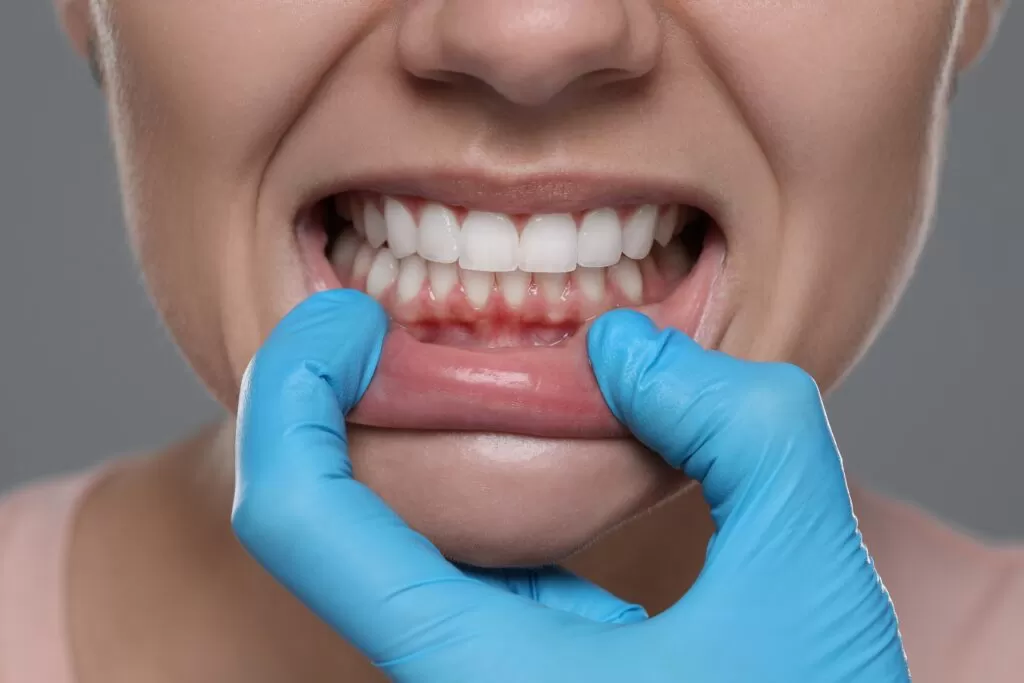
Periodontal disease often progresses silently, with little to no discomfort in its early stages, making it difficult to detect without a professional evaluation. Early diagnosis is key to preventing more serious complications. It’s important to consult a dentist promptly if you notice any of the following signs and symptoms of periodontitis:

  • Bad breath
  • Bite changes
  • Bleeding gums
  • Gum recession
  • Loose teeth
  • Pain when chewing
  • Pus (infection) around your gum line
  • Reddish or purplish gums
  • Swollen gums

Stay Connected with Us

We are here to help!

Contact us to schedule an appointment today.

Frequently Asked Questions

Find answers to commonly asked questions about periodontal therapy here. If you have more questions, please give our office a call at (603) 471-6000.